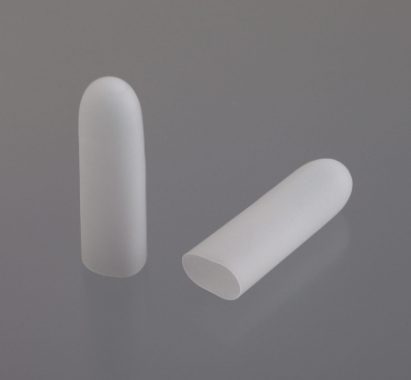
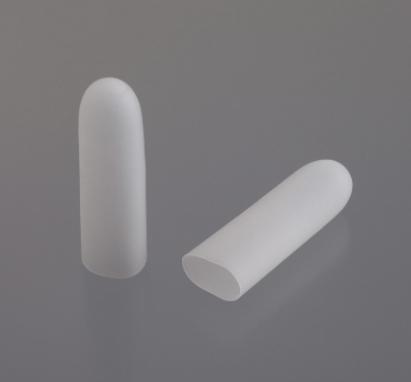
A nitrile finger cot is a single-finger covering, similar to a miniature glove designed for one finger (and sometimes the thumb). It is made from nitrile rubber, a synthetic material known for its durability, puncture resistance, and chemical compatibility.
They are used as a more practical and less wasteful alternative to wearing a full glove when only one finger needs protection or tactile sensitivity.
Key Features and Advantages
- Superior Material Strength: Nitrile is significantly more puncture and tear-resistant than latex, making it ideal for handling sharp objects or materials.
- Hypoallergenic: Unlike latex gloves, nitrile is free from natural rubber latex proteins, making it a safe choice for individuals with latex allergies.
- Excellent Chemical Resistance: Nitrile offers good resistance to a wide range of chemicals, including oils, greases, solvents, and certain acids.
- Excellent Tactile Sensitivity: Finger cots provide a “second skin” feel, allowing for precise dexterity and fine motor control, which is crucial for tasks like assembly, inspection, or first aid.
- Comfort and Fit: They are designed to be form-fitting without being overly restrictive, often with a textured surface for better grip.
- Powder-Free: Most modern nitrile finger cots are powder-free, preventing contamination in clean environments like laboratories or food handling.
Common Applications and Uses
Nitrile finger cots are incredibly versatile and are used across many industries and in homes:
Flipping through old books or documents without damaging them.
Healthcare & First Aid:
Protecting a cut, blister, or wound on a finger while keeping it clean.
Applying ointments or creams without direct contact.
Providing a barrier during patient examinations or wound dressing.
Industrial & Mechanical Work:
Handling small, sharp parts like screws, needles, or metal shavings.
Protecting a finger during fine assembly work in electronics or mechanics.
Providing a grip for twisting small wires or components.
Laboratories & Electronics:
Protecting sensitive components from oils and moisture on the skin (e.g., circuit boards, microchips).
Handling slides and specimens under a microscope.
Preventing contamination in cleanrooms where a full glove is not necessary.
Food Service & Preparation:
Protecting a small cut on a finger while preparing food, in compliance with health codes.
Handling specific ingredients where direct contact is undesirable.
Arts, Crafts, and Photography:
Preventing fingerprints on photographs, negatives, lenses, and artwork.
Handling delicate papers and materials without leaving oils behind.
Tattooing & Piercing:
Used by artists to protect minor cuts on their fingers while maintaining maximum dexterity and a sterile barrier.
Home & Office:
Counting money or pages without licking a finger.